Integration & Inclusion
Integration and Inclusion supports childhood cancer survivors and their families to participate meaningfully in everyday life beyond treatment. This includes navigating transitions back to school, exploring education and employment pathways and pursuing longer-term aspirations across different stages of life.
Support is tailored to each survivor’s strengths, needs and goals while collaboration with schools, employers and community partners helps to build greater understanding and create more inclusive opportunities. The aim is to reduce barriers to participation and enable survivors to learn, work, contribute and pursue their aspirations with greater confidence and support.
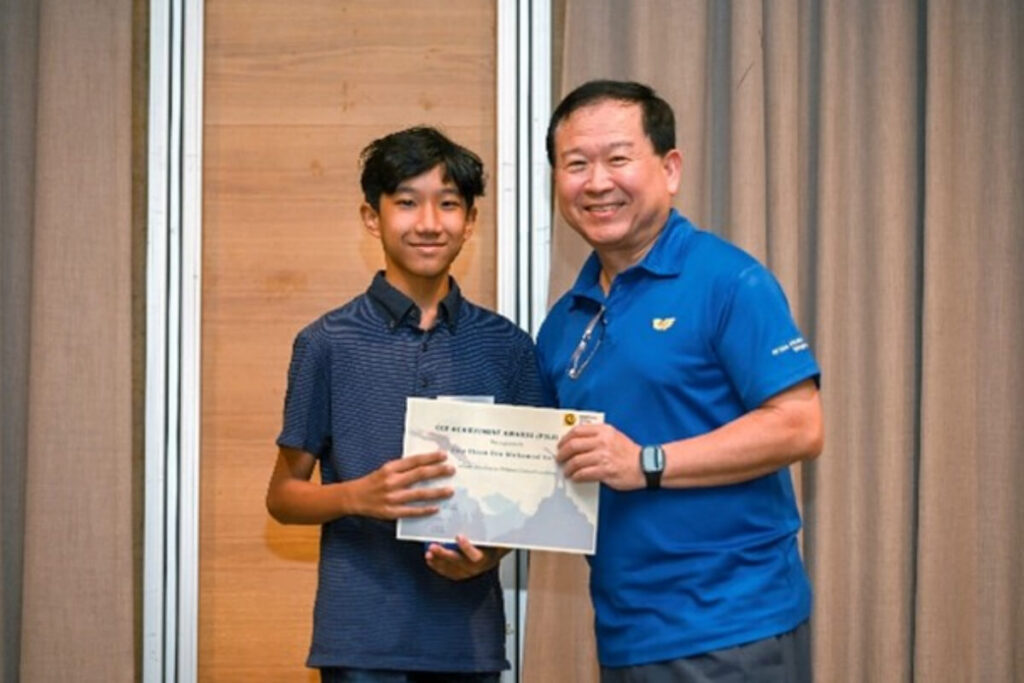
CCF Education Awards is an annual awards ceremony that serves as encouragement to childhood cancer survivors for their efforts towards academic achievement. It aims to promote resilience in their coping upon their return to school and sustain motivation academic learning.
Survivors’ Fund
The Education Dream Fund offers survivors with scholarship support in pursuit of their first local diploma or degree study.
The Opportunity Fund offers survivors with opportunities to improve self-competency, and/or develop their areas of interests.
Mindspace
The Mind Space
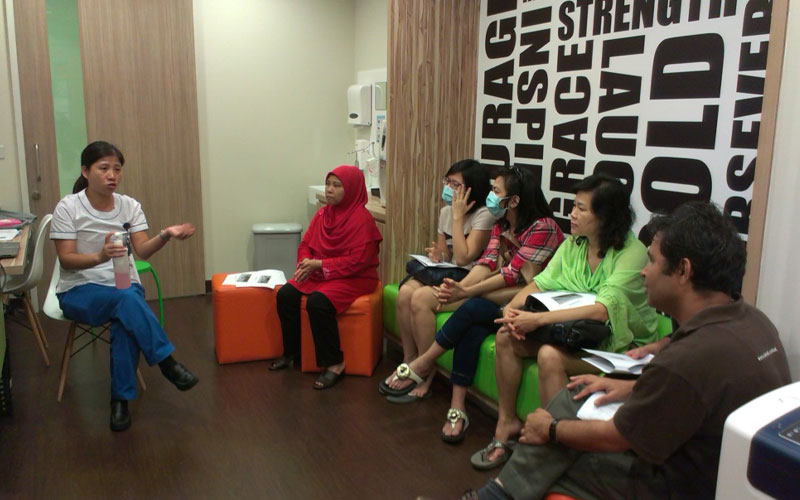
The Mind Space is an informational group program for caregivers, focusing on topics such as cancer treatment, side effects, dietary support, and infection control. It also provides caregivers the opportunity to engage with each other, as well as the medical and allied health professionals.
Employment Support
CCF provides a range of programmes and services to support youth survivors as they enter the workforce.
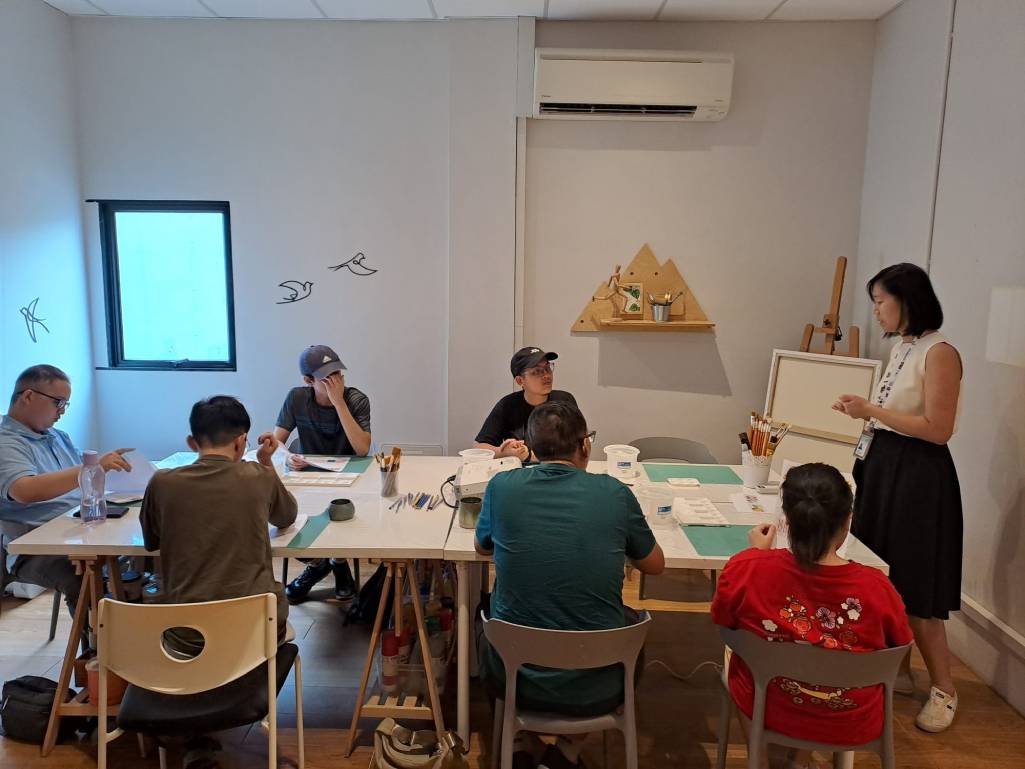
Heartwork Programme is a customised foundational skills training programme to develop/enhance skills based on the strength of the youth survivors, to increase their employability.
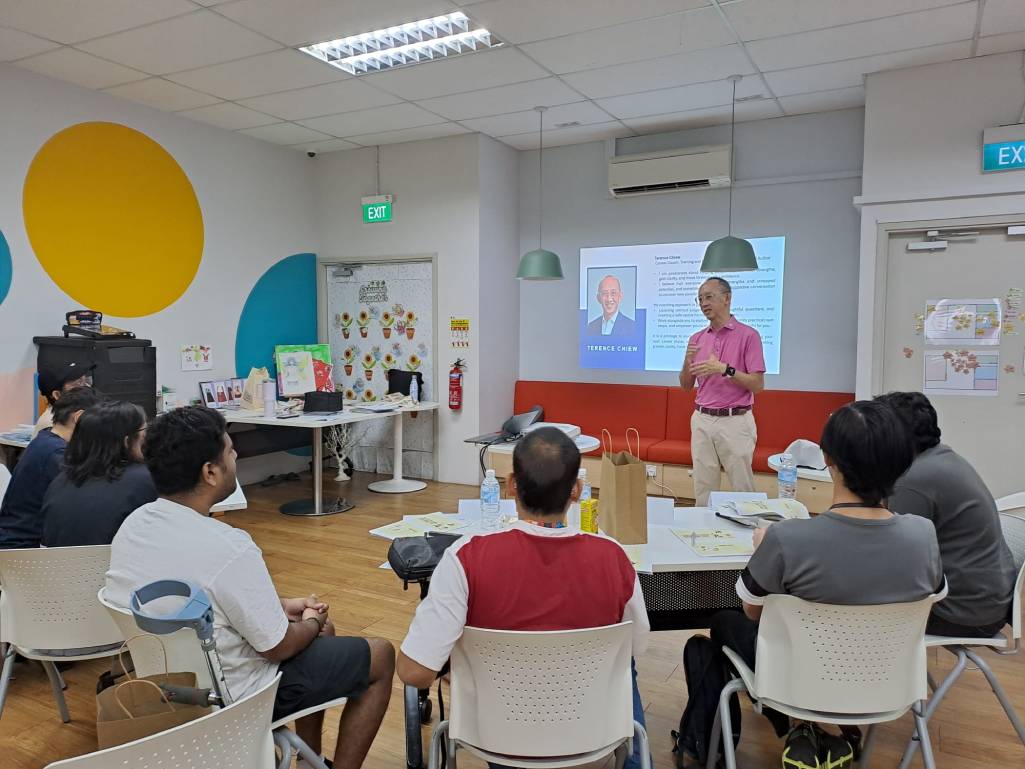
Career Mentoring supports childhood cancer survivors aged 16 to 35 years as they take steps towards their employment and career readiness. Whether survivors who are keen to receive more career guidance or survivors struggling to secure employment will receive customised support by being matched with volunteer career coaches for one-to-one mentoring, where they can explore their strengths, interests and career goals in a supportive platform. Group coaching sessions also bring survivors together to share experiences, learn from one another and navigate common challenges related to job seeking and the workplace. Through these connections, survivors can build greater confidence, develop practical skills and feel better supported as they chart their own career journeys beyond cancer.